
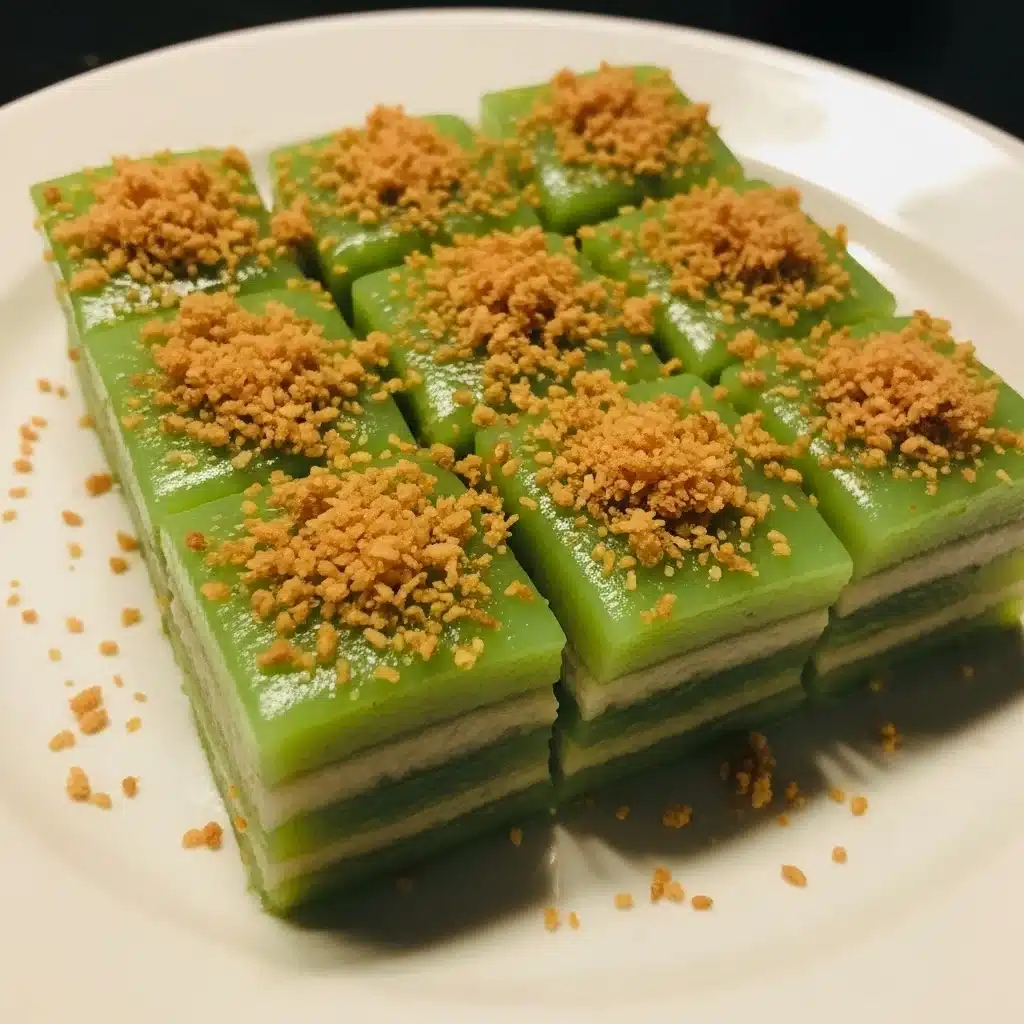
When my kids were little, birthdays always meant a new baking adventure in our kitchen. I remember one year, my eldest, Lily, was obsessed with anything green – not just vegetables, but vibrant, natural green. That’s when I first stumbled upon pandan, a magical Southeast Asian leaf that gives food a beautiful hue and an even more enchanting aroma.
Making a cake with it felt like bringing a piece of sunshine into our home, and the kids’ faces lit up with wonder at the tropical flavor. This wasn’t just baking; it was creating a memory, a moment of pure, edible joy. Over the years, that simple pandan cake evolved into this incredible, moist, and wonderfully fragrant traditional pandan coconut cake recipe for beginners.
It’s truly a labor of love, but one I’ve simplified enough for anyone to tackle, even if you’ve never baked before. I want to share this joy with you, show you how straightforward it is to bring these exotic flavors to your table, and make your kitchen smell absolutely divine.
This isn’t just a cake; it’s a hug in dessert form, perfect for family gatherings or just a quiet afternoon treat. You will love making this traditional pandan coconut cake recipe for beginners, I promise.
Why You’ll Love This Traditional Pandan Coconut Cake Recipe for Beginners
You will absolutely adore this traditional pandan coconut cake recipe for beginners. First, it brings a taste of the tropics right into your kitchen with minimal fuss. The unique, fragrant pandan pairs perfectly with sweet, creamy coconut, creating a flavor profile unlike anything you have tried before.
Second, as a mom of three, I know the value of a simple yet impressive recipe. This traditional pandan coconut cake recipe for beginners is incredibly straightforward, perfect for novice bakers. You do not need any fancy equipment or advanced techniques.
Furthermore, the vibrant green color, naturally derived from pandan, makes this cake visually stunning without artificial dyes. It truly impresses guests and delights kids. This cake is also wonderfully moist, staying fresh for days, making it an ideal make-ahead dessert.
Plus, preparing this traditional pandan coconut cake for beginners fills your home with the most incredible aroma. It’s truly a sensory delight from start to finish. If you seek a unique, easy, and absolutely delicious dessert, this traditional pandan coconut cake recipe for beginners is your new go-to.
Ingredients You’ll Need
Gathering your ingredients for this traditional pandan coconut cake recipe for beginners is the first exciting step. You will find most items readily available at your local grocery store. For the pandan extract, check specialty Asian markets or the international aisle.
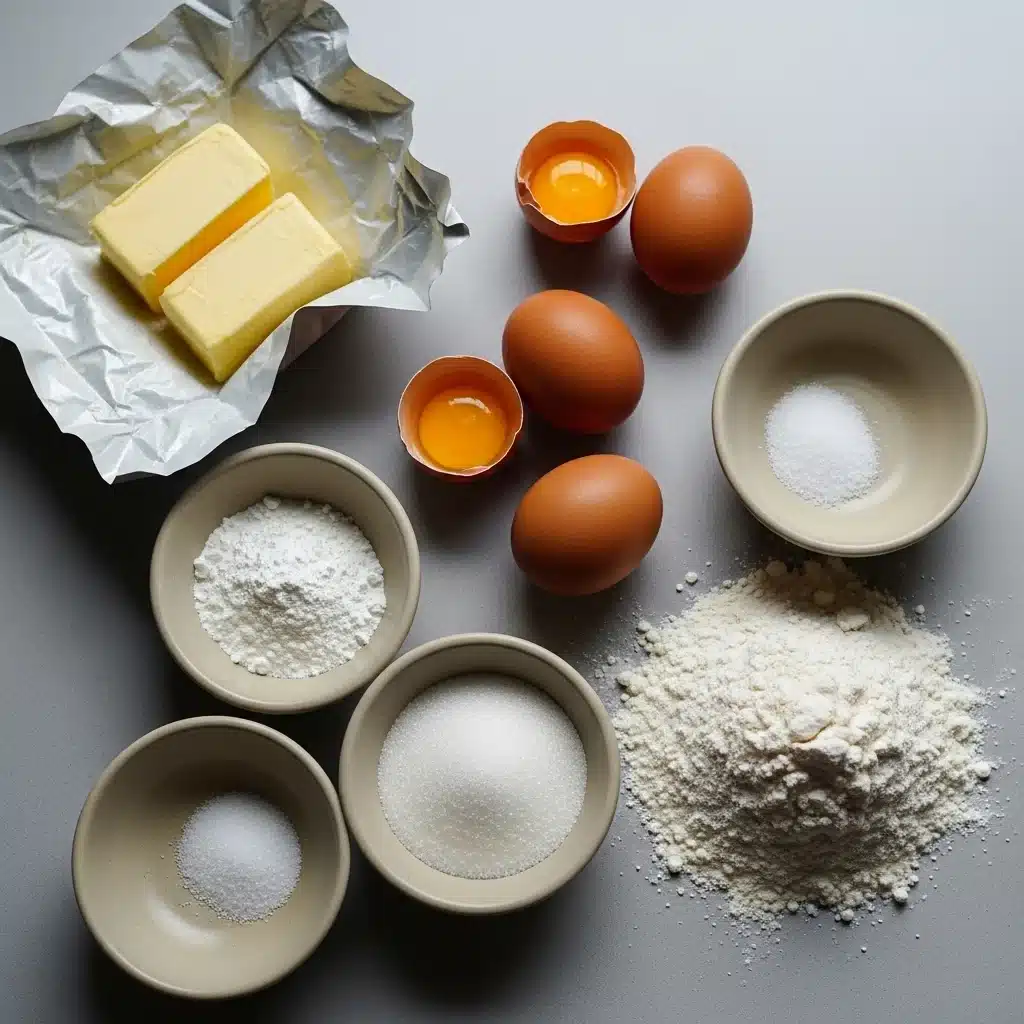
| Category | Ingredient | Quantity | Notes |
|---|---|---|---|
| Dry Ingredients | All-purpose flour | 2 cups | Sift for best results |
| Granulated sugar | 1 ½ cups | Adjust to your sweetness preference | |
| Baking powder | 2 teaspoons | Ensures a light, fluffy cake | |
| Salt | ½ teaspoon | Balances the flavors | |
| Wet Ingredients | Large eggs | 4 | Room temperature for better emulsification |
| Coconut milk (full fat) | 1 cup | Shake the can well before opening | |
| Vegetable oil | ½ cup | Or any neutral-flavored oil | |
| Pandan extract | 1-2 teaspoons | Start with 1 tsp, add more for deeper color/flavor | |
| Vanilla extract | 1 teaspoon | Enhances overall flavor | |
| Topping/Filling | Desiccated coconut flakes (unsweetened) | 1 cup | Toasted for extra flavor |
| Powdered sugar | 1 cup | For simple coconut glaze (optional) | |
| Coconut milk (for glaze) | 2-3 tablespoons | For simple coconut glaze (optional) |
Substitutions & Variations
This traditional pandan coconut cake recipe for beginners offers a fantastic base, but you can certainly customize it! If you cannot find pandan extract, consider using pandan paste. Use less paste, about ½ to 1 teaspoon, as it often has a stronger flavor and more intense color.
Alternatively, for a truly natural approach, blend fresh pandan leaves with a little coconut milk, then strain the liquid to use as your pandan flavoring. This takes more effort but yields a wonderfully authentic taste.
For the oil, feel free to substitute melted unsalted butter for a richer flavor. However, the oil usually contributes to a moister cake, a hallmark of a great traditional pandan coconut cake recipe for beginners. If you prefer less sugar, reduce the granulated sugar to 1 cup; the cake will still taste delicious.
Looking for variations? Add shredded young coconut meat to the batter for extra texture and coconut flavor. You can also fold in chopped jackfruit for an authentic Southeast Asian twist.
For the topping, instead of a simple glaze, whip up a coconut cream cheese frosting. Combine softened cream cheese, powdered sugar, and a few tablespoons of coconut milk. This creates a decadent addition to your traditional pandan coconut cake.
If you enjoy a touch of tang, add the zest of one lime to the batter. This brightens the flavors beautifully. Finally, for a gluten-free version of this traditional pandan coconut cake recipe for beginners, use a 1:1 gluten-free baking flour blend.
Ensure your blend contains xanthan gum for proper structure. Always read the label to ensure it is a suitable substitute for cakes.
This traditional pandan coconut cake recipe for beginners offers a fantastic base, but you can certainly customize it! For some fruity inspiration, check out this Fruit Pizza Recipe that can complement the flavors beautifully.
Step-by-Step Instructions
Making this traditional pandan coconut cake recipe for beginners is simpler than you think. Just follow these steps carefully, and you will achieve a delicious result.
1. Prepare Your Pan: First, preheat your oven to 350°F (175°C). Next, grease and flour a 9×13 inch baking pan or two 8-inch round cake pans.
Lining the bottoms with parchment paper also ensures easy removal.
2. Combine Dry Ingredients: In a large mixing bowl, thoroughly whisk together the all-purpose flour, granulated sugar, baking powder, and salt.
Make sure no lumps remain. This ensures even distribution in your traditional pandan coconut cake.
3.
Mix Wet Ingredients: In a separate medium bowl, whisk together the eggs, coconut milk, vegetable oil, pandan extract, and vanilla extract until well combined. The pandan extract gives our traditional pandan coconut cake its signature green hue and unique aroma.
4.
Combine Wet and Dry: Pour the wet ingredients into the dry ingredients. Mix with a spatula or electric mixer on low speed just until combined. Be careful not to overmix the batter; overmixing leads to a dense cake.
A few small lumps are perfectly fine. This step is crucial for achieving a fluffy traditional pandan coconut cake recipe for beginners.
5.
Pour and Bake: Pour the batter evenly into your prepared baking pan(s). Gently tap the pan on the counter a couple of times to release any air bubbles. Bake for 30-35 minutes for a 9×13 pan, or 25-30 minutes for round pans.
The cake is ready when a wooden skewer or toothpick inserted into the center comes out clean.
6. Cool the Cake: Remove the cake from the oven and let it cool in the pan for about 10-15 minutes.
Then, carefully invert it onto a wire rack to cool completely. Cooling completely prevents the cake from breaking when you glaze it. This is an important step for any traditional pandan coconut cake.
7. Toast Coconut (Optional): While the cake cools, spread the desiccated coconut flakes on a baking sheet. Toast in the oven for 5-7 minutes, or until golden brown and fragrant.
Watch carefully, as coconut burns quickly!
8. Prepare Glaze (Optional): If making a glaze, whisk together the powdered sugar and coconut milk in a small bowl until smooth.
Adjust the consistency by adding more powdered sugar for a thicker glaze or more coconut milk for a thinner one.
9. Glaze and Serve: Once the cake is completely cool, drizzle the glaze over the top, letting it drip down the sides.
Immediately sprinkle with the toasted coconut flakes. Slice and serve this delightful traditional pandan coconut cake for beginners! Enjoy your delicious creation!
Pro Tips for Success
Making this traditional pandan coconut cake recipe for beginners truly easy, but a few pro tips will elevate your results. First, always use room temperature eggs and coconut milk. This helps them incorporate better into the batter, leading to a smoother, more emulsified mixture and a more tender cake. Plan ahead by taking these ingredients out of the fridge an hour before baking.
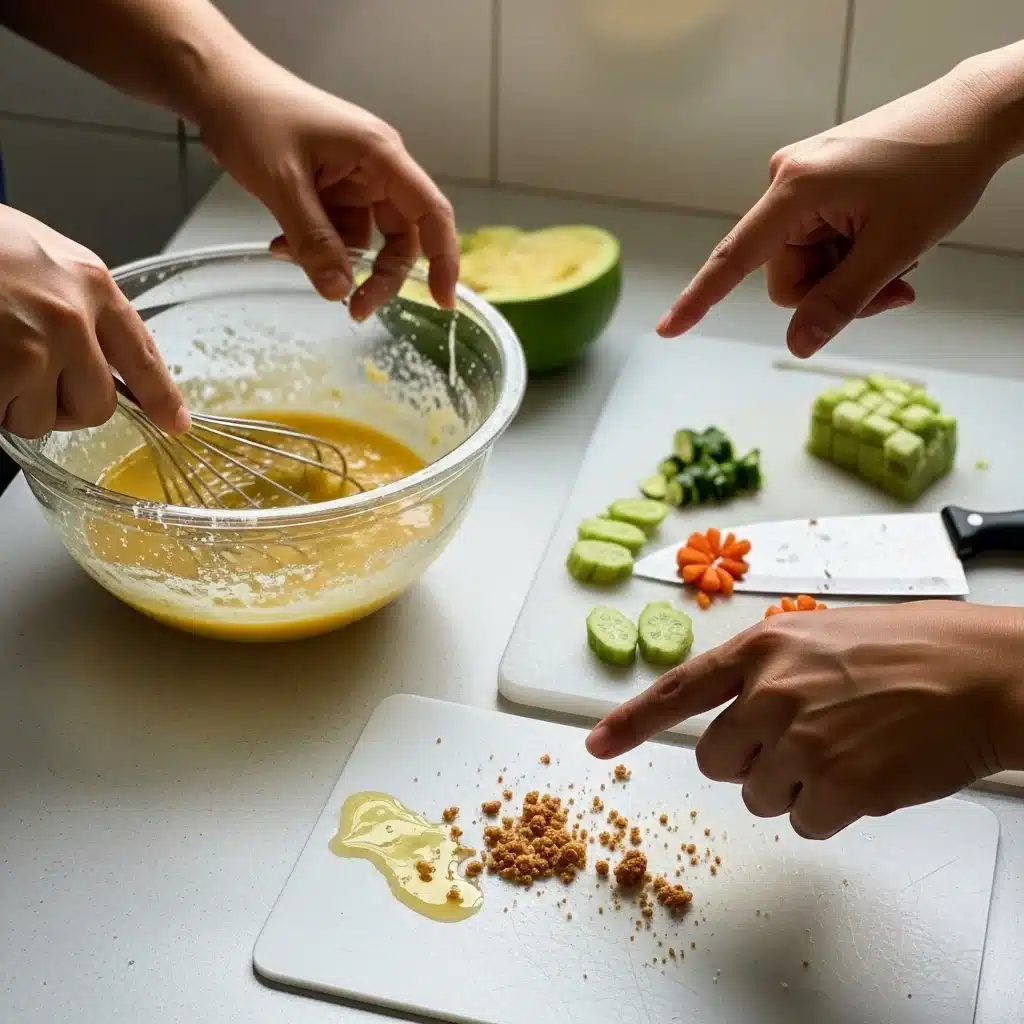
Second, do not overmix the batter. Once you combine the wet and dry ingredients, mix only until just combined. Overmixing develops the gluten in the flour, resulting in a tough, dense cake.
We want a light and airy traditional pandan coconut cake. A few small lumps are perfectly acceptable.
Third, for the best pandan flavor and color, do not be afraid to adjust the amount of pandan extract. Start with the recommended amount, but if you desire a deeper green or a stronger aromatic punch, add another half teaspoon gradually. Taste the raw batter if comfortable, or remember for next time! The vibrancy of your traditional pandan coconut cake will truly shine.
Fourth, toast your desiccated coconut flakes. This simple step adds an incredible depth of flavor and a lovely texture to the topping. The difference between untoasted and toasted coconut is remarkable. Keep a close eye on it in the oven; coconut can go from perfectly golden to burnt in seconds.
Finally, ensure your cake is completely cool before applying any glaze or frosting. If you glaze a warm cake, the glaze will melt and run off, creating a messy rather than a beautiful finish. Patience ensures your traditional pandan coconut cake looks as good as it tastes. These small details make all the difference in achieving a perfect traditional pandan coconut cake recipe for beginners.
Making this traditional pandan coconut cake recipe for beginners truly easy, but a few pro tips will elevate your results. For another yummy dessert idea, consider making this Ice Cream Sandwich Cake that pairs wonderfully with many baked goods!
Storage & Reheating Tips
Properly storing your traditional pandan coconut cake ensures its deliciousness lasts. Once completely cooled, cover the cake tightly with plastic wrap or place it in an airtight container. This prevents it from drying out and keeps its signature fragrance locked in.
You can store the cake at room temperature for up to 2-3 days. If your kitchen runs warm, or if you prefer a firmer cake, refrigerate it. In the refrigerator, this traditional pandan coconut cake stays fresh for up to 5 days.
To reheat, if desired, simply bring slices to room temperature before serving. If you prefer it slightly warm, you can microwave individual slices for 15-20 seconds. Be careful not to overheat, as this can dry out the cake. This simple traditional pandan coconut cake recipe for beginners holds up beautifully, making it perfect for preparing ahead of time.
You can also freeze individual slices of your traditional pandan coconut cake. Wrap each slice tightly in plastic wrap, then again in aluminum foil. Place them in a freezer-safe bag or container.
Frozen cake will last for up to 2-3 months. Thaw frozen slices in the refrigerator overnight or at room temperature for a few hours. This makes enjoying your homemade traditional pandan coconut cake convenient whenever a craving strikes.
What to Serve With This Recipe
This traditional pandan coconut cake recipe for beginners is a showstopper all on its own, but pairing it with the right accompaniments truly elevates the experience. For a simple yet perfect pairing, serve slices with a cup of freshly brewed black coffee or a delicate jasmine tea. The slight bitterness of the coffee or the floral notes of the tea beautifully complement the sweet, aromatic cake.
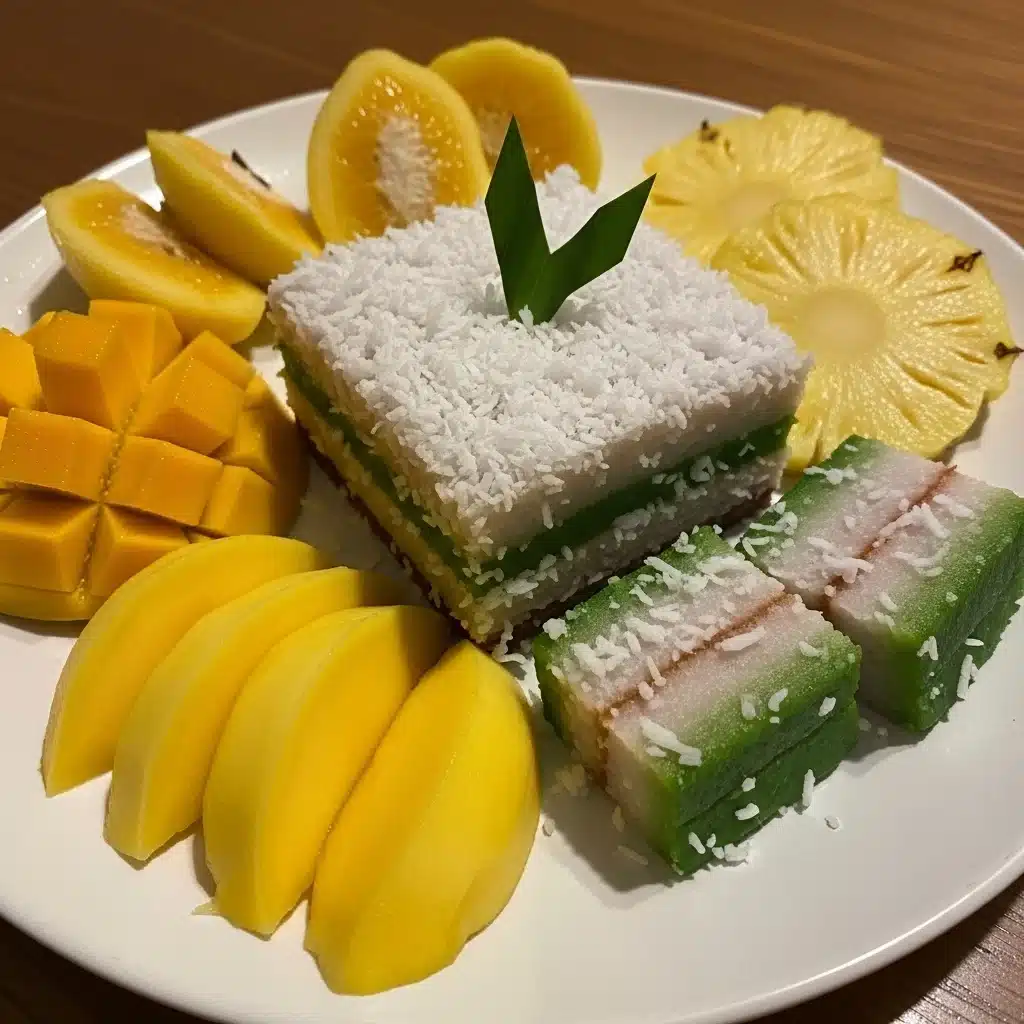
For a more decadent dessert, a scoop of vanilla bean ice cream or a dollop of unsweetened whipped cream makes an excellent addition. The cool creaminess provides a lovely contrast to the moist cake. Alternatively, you could offer a side of tropical fruit salad. Think sliced mango, pineapple, and lychees; their freshness and tanginess cut through the richness of the traditional pandan coconut cake.
On a warm day, a refreshing glass of iced pandan tea or a simple coconut water beverage would be ideal. These drinks echo the cake’s flavors without overpowering them. For a truly authentic Southeast Asian experience, consider serving it with a chilled glass of fresh calamansi juice or a light coconut shake. Whatever you choose, your traditional pandan coconut cake for beginners will be the star of the show.
This traditional pandan coconut cake recipe for beginners is a showstopper all on its own, but pairing it with the right accompaniments truly elevates the experience. For a delightful pairing, try serving it with these Mango Sticky Rice Cups for an unforgettable dessert combination.
FAQs
Can I make this pandan coconut cake ahead of time?
Absolutely! This traditional pandan coconut cake recipe for beginners is excellent for making in advance. You can bake the cake up to 2 days before serving, storing it well-covered at room temperature.
Apply the glaze and toasted coconut just before serving for the freshest appearance and texture. This makes your traditional pandan coconut cake perfect for entertaining.
What is pandan, and where can I find it?
Pandan (Pandanus amaryllifolius) is a tropical plant widely used in Southeast Asian cuisine. It offers a unique, sweet, aromatic flavor often described as grassy with notes of vanilla, coconut, and nuttiness. It also imparts a beautiful natural green color.
You can typically find pandan extract or paste in Asian grocery stores, specialty food markets, or online retailers. Fresh or frozen pandan leaves are also sometimes available in Asian markets, which you can blend for a natural extract for your traditional pandan coconut cake.
Is this traditional pandan coconut cake recipe for beginners gluten-free?
As written, this traditional pandan coconut cake recipe for beginners uses all-purpose flour, so it is not gluten-free. However, you can easily adapt it by substituting a 1:1 gluten-free baking flour blend. Ensure your chosen blend contains xanthan gum or add a small amount (½ teaspoon) to achieve the right cake structure. Always check the specific recommendations for your gluten-free flour blend.
How do I know when my pandan coconut cake is done baking?
Your traditional pandan coconut cake is done when a wooden skewer or toothpick inserted into the center comes out clean, with no wet batter attached. The cake should also spring back lightly when you gently touch the top. The edges will appear golden brown, and the beautiful green color will have intensified slightly. Do not underbake or overbake your traditional pandan coconut cake for optimal moisture.
Can I use fresh coconut instead of desiccated?
Yes, you can absolutely use freshly grated coconut! If using fresh coconut, you might want to toast it slightly in a dry pan on the stovetop until fragrant and lightly golden. This enhances its flavor. Fresh coconut will give your traditional pandan coconut cake a wonderful, authentic texture and taste.
The traditional pandan coconut cake is a popular dessert in Southeast Asian cuisine, known for its unique flavors and vibrant green color derived from pandan leaves. This cake not only represents the culinary traditions of the region but also showcases the use of natural ingredients in dessert-making, enhancing the experience of cooking and baking at home. To learn more about pandan and its culinary uses, check out this Pandan article.
Nutrition Information (per serving)
Please note that this nutrition information is an estimate based on the ingredients listed for this traditional pandan coconut cake recipe for beginners. Actual values may vary depending on specific brands, ingredient variations, and serving size. This estimate assumes 12 servings per 9×13 inch cake.
| Nutrient | Amount (estimated) |
|---|---|
| Calories | 350 kcal |
| Total Fat | 18g |
| Saturated Fat | 12g |
| Cholesterol | 60mg |
| Sodium | 180mg |
| Total Carbohydrates | 45g |
| Dietary Fiber | 2g |
| Total Sugars | 30g |
| Protein | 5g |
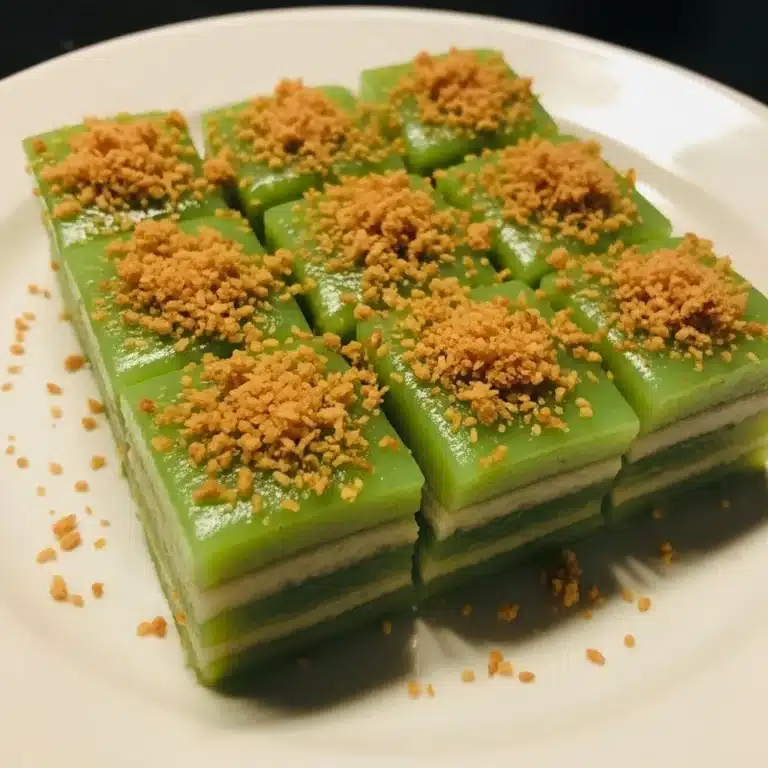
traditional pandan coconut cake recipe for beginners
This traditional pandan coconut cake is a beautifully fragrant and vibrant dessert, making it perfect for family gatherings or a quiet afternoon treat. Easy for beginners, it captures the essence of the tropics with minimal fuss.
- Total Time: 50 mins
- Yield: 12 servings 1x
Ingredients
2 cups All-purpose flour
1 ½ cups Granulated sugar
2 teaspoons Baking powder
½ teaspoon Salt
4 Large eggs
1 cup Coconut milk (full fat)
½ cup Vegetable oil
1–2 teaspoons Pandan extract
1 teaspoon Vanilla extract
1 cup Desiccated coconut flakes (unsweetened)
1 cup Powdered sugar
2–3 tablespoons Coconut milk (for glaze)
Instructions
- Preheat your oven to 350°F (175°C) and grease/flour your baking pa
- In a large mixing bowl, whisk together the dry ingredients: flour, sugar, baking powder, and salt
- In a separate bowl, whisk together the wet ingredients: eggs, coconut milk, oil, pandan extract, and vanilla until combined
- Pour the wet ingredients into the dry ingredients and mix gently until just combined
- Pour the batter into the prepared baking pan and bake for 30-35 minutes
- Cool the cake in the pan for 10-15 minutes, then transfer to a wire rack
- Toast the desiccated coconut flakes in the oven until golden brow
- Prepare the optional glaze by mixing powdered sugar with coconut milk until smooth
- Once cooled, glaze the cake and top with toasted coconut flakes
Notes
Ensure all ingredients are at room temperature for best results.
Do not overmix the batter to keep the cake light and airy.
- Prep Time: 20 mins
- Cook Time: 30 mins
- Category: Dessert
- Method: Baking
- Cuisine: Southeast Asian
- Diet: Gluten Free
Nutrition
- Serving Size: 1 slice
- Calories: 350 kcal
- Sugar: 30g
- Sodium: 180mg
- Fat: 18g
- Saturated Fat: 12g
- Unsaturated Fat: 6g
- Trans Fat: 0g
- Carbohydrates: 45g
- Fiber: 2g
- Protein: 5g
- Cholesterol: 60mg